- Amplify with Dr. Ayesha Khanna
- Posts
- $60B AI Exec: Forget Code, Study Literature
$60B AI Exec: Forget Code, Study Literature
AI news, leaders, business insights and more

Dr. Ayesha Khanna
February 21, 2026 • Reading Time: 3 minutes

Hi! Here are today’s top AI stories:
$60B AI Exec: Forget Code, Study Literature
Before You React, This AI Already Knows How
Meet Amanda Askell - The Philosopher Teaching AI to Be Good
NEWS YOU CAN’T MISS
$60B AI Exec: Forget Code, Study Literature
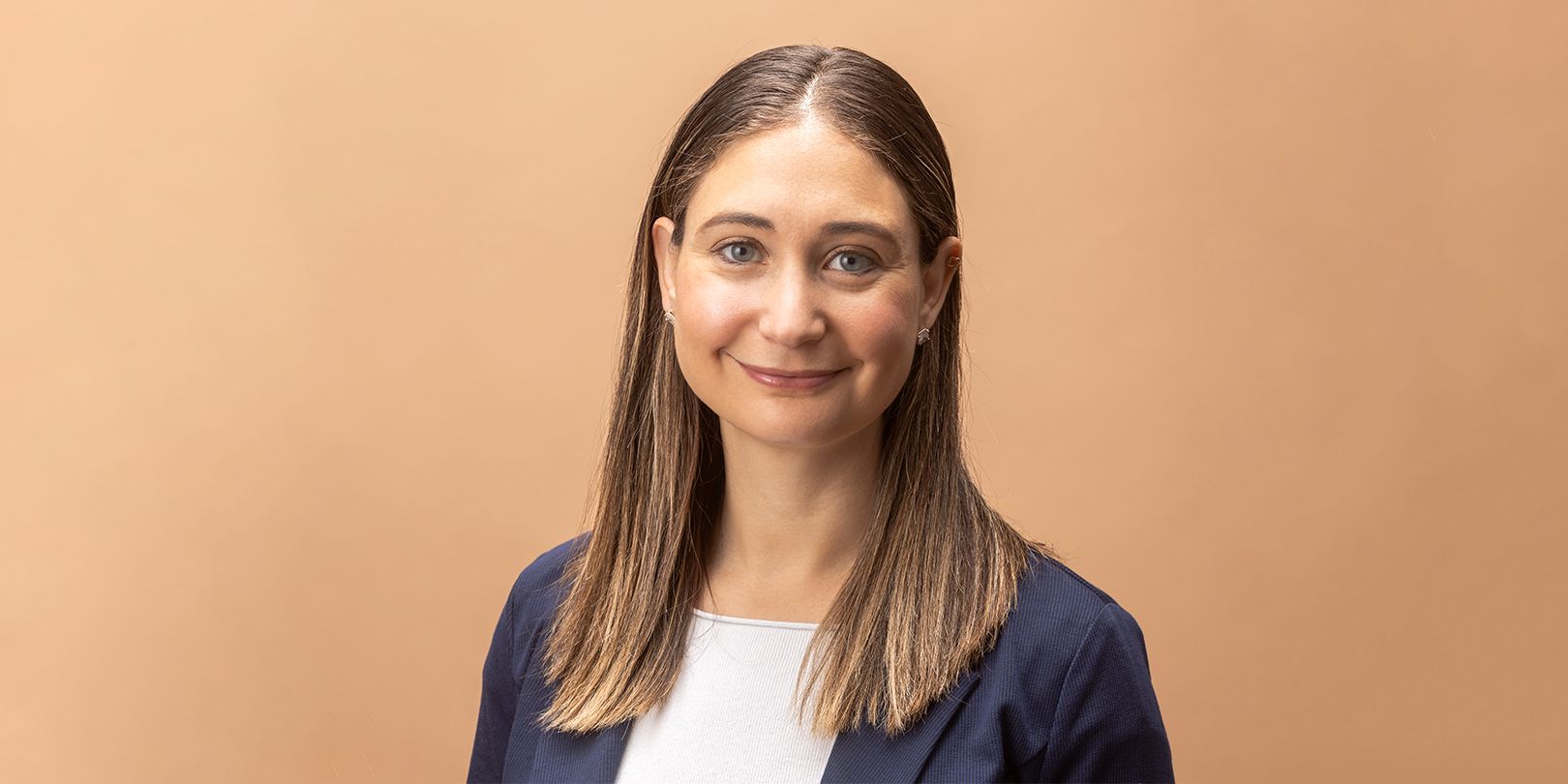
Daniela Amodei
Daniela Amodei is president and co-founder of Anthropic, one of the most valuable AI companies on Earth. Her degree? English literature. From UC Santa Cruz.
In an interview this month, she said she doesn't regret her humanities major one bit: "In a world where AI is very smart and capable of doing so many things, the things that make us human will become much more important."
When hiring at Anthropic, she looks for people who are "great communicators, with excellent EQ, who are kind and compassionate and curious."
She's not alone. Google Labs' Steven Johnson called this moment "the revenge of the humanities." JPMorgan's Jamie Dimon says soft skills are the new competitive advantage.
Ayesha's Take: My mom was an English Literature professor, so I love this. But let's be fair. Coding is valuable too (if taught properly) because it teaches you how to think and solve problems. The real takeaway isn't humanities vs. STEM. It's that the people who can do both, think critically, communicate clearly, and command AI, are about to become unstoppable.
Source: Fortune
Before You React, This AI Already Knows How

Simile, a Stanford-born startup, emerged from stealth on February 12 with $100 million in funding and a bold claim: its AI can predict what you'll buy, what you'll ask, and how you'll react before you do it.
The company trains a foundation model on interviews with hundreds of people, historic transaction records, and behavioral science research, then uses it to populate simulations with AI agents that reflect real human preferences.
Want to know what analysts will ask on your next earnings call? Simile will simulate the room and has already correctly predicted most questions in test runs. Planning a product launch? Its “flight simulator for human decisions” lets you rehearse scenarios and forecast how customers or the public might respond before you go live.
CVS is already testing the platform to guide product stocking and in‑store display decisions, effectively using it as a synthetic focus group.
Ayesha's Take: This is one of those startups that's either brilliant or terrifying — possibly both. Predicting human behavior isn't new (hello, targeted advertising). But building large‑scale simulations made up of agents modeled on real people is a different game. When the AI doesn’t just model trends but models people like you, the questions shift from “is this accurate?” to “is this ethical?” Watch this space. Carefully.
How Do You Feel About a Digital Twin of You? |
Meet Amanda Askell - The Philosopher Teaching AI to Be Good
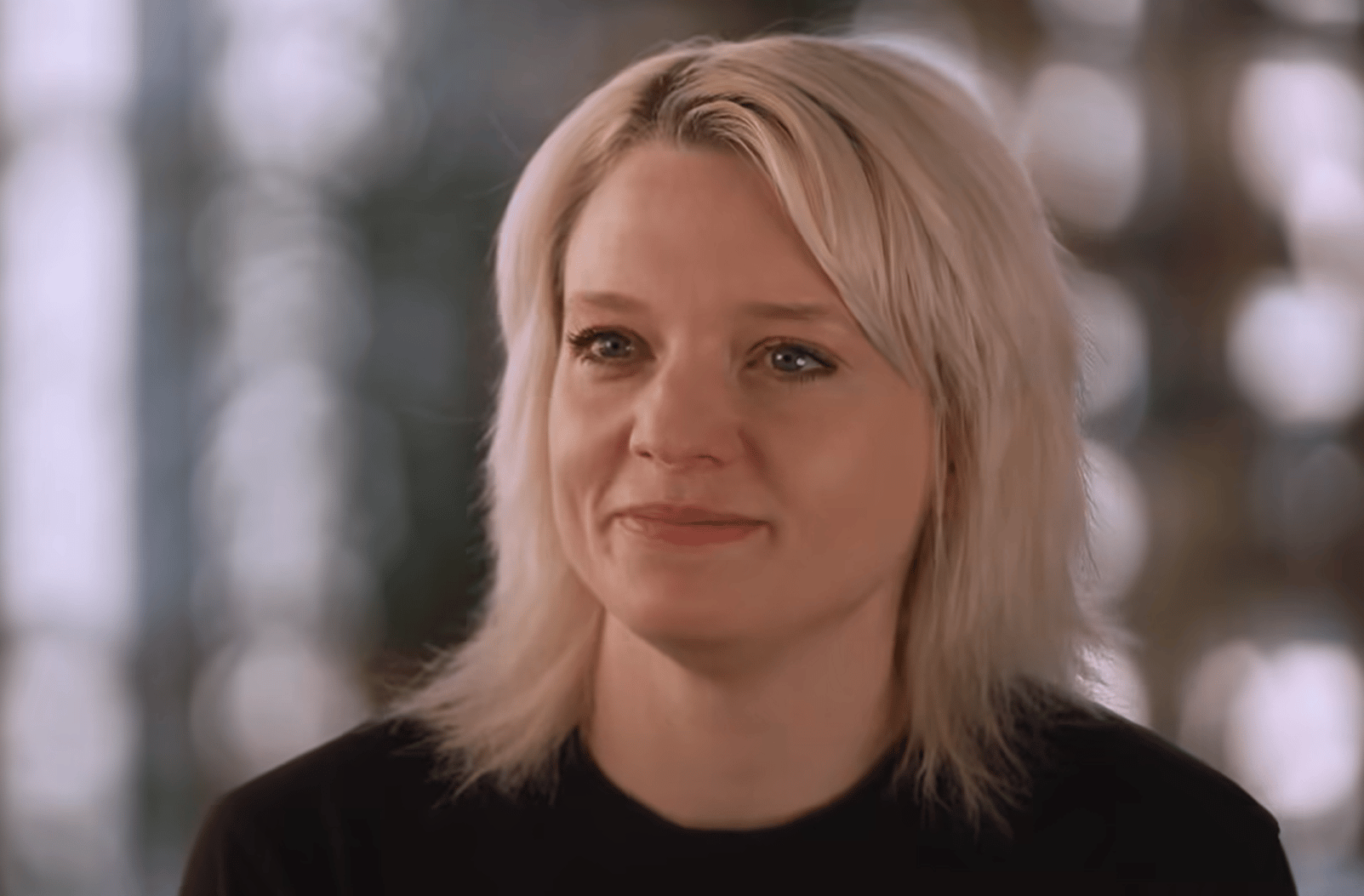
Amanda Askell.
Amanda Askell grew up in Prestwick, a small seaside town on Scotland's west coast, raised by her mother, a teacher. As a kid, she devoured Tolkien and C.S. Lewis. The big questions grabbed her early.
She studied fine art and philosophy at the University of Dundee - painting and thinking about existence simultaneously. Then Oxford for a BPhil in philosophy. Then NYU for a PhD, where her thesis tackled one of philosophy's strangest corners: what happens to ethics when you apply it to infinite populations?
In a field obsessed with computer science degrees, she arrived at AI with a completely different toolkit: moral philosophy, ethics, and a deep comfort with ambiguity.
She worked at OpenAI on safety research, then left when the company shifted toward capabilities over caution. She joined Anthropic, where she now leads the team responsible for Claude's character - its personality, values, and moral reasoning. She wrote Claude's 30,000-word instruction manual. Anthropic's president Daniela Amodei says "you almost feel a little bit of Amanda's personality" when talking to Claude.
TIME named her one of the 100 Most Influential People in AI. The Wall Street Journal's headline: "Her job, simply put, is to teach Claude how to be good."
She's committed to donating 10% of her lifetime income and half her equity to charity.
Her philosophy: AI models will inevitably develop a sense of self and someone needs to make sure that self has good values. That someone is a painter-philosopher from a small Scottish town.
Source: TIME 100 AI · Wikipedia · Askell.io
FROM OUR ADVERTISERS
Will Your Retirement Income Last?

A successful retirement can depend on having a clear plan. Fisher Investments’ The Definitive Guide to Retirement Income can help you calculate your future costs and structure your portfolio to meet your needs. Get the insights you need to help build a durable income strategy for the long term.
Until next time!
Amplify Team ❤️
ps. Be friends with Ayesha on LinkedIn and Instagram, if you like this newsletter, share it with your friends and family here.
I'd love your feedback...Please vote below to help me improve the newsletter. |