- Amplify with Dr. Ayesha Khanna
- Posts
- Don’t Believe Everything on the Internet
Don’t Believe Everything on the Internet
AI news, leaders, business insights and more

Dr. Ayesha Khanna
December 30, 2025 • Reading Time: 3 minutes

In partnership with

Hi everyone, here’s today’s tech news:
Don’t Believe Everything on the Internet
Human or AI: Who Wins Your Feed?
Meet Niamh Donnelly, co-founder of Akara
AI Around The World
NEWS YOU CAN’T MISS
Don’t Believe Everything on the Internet
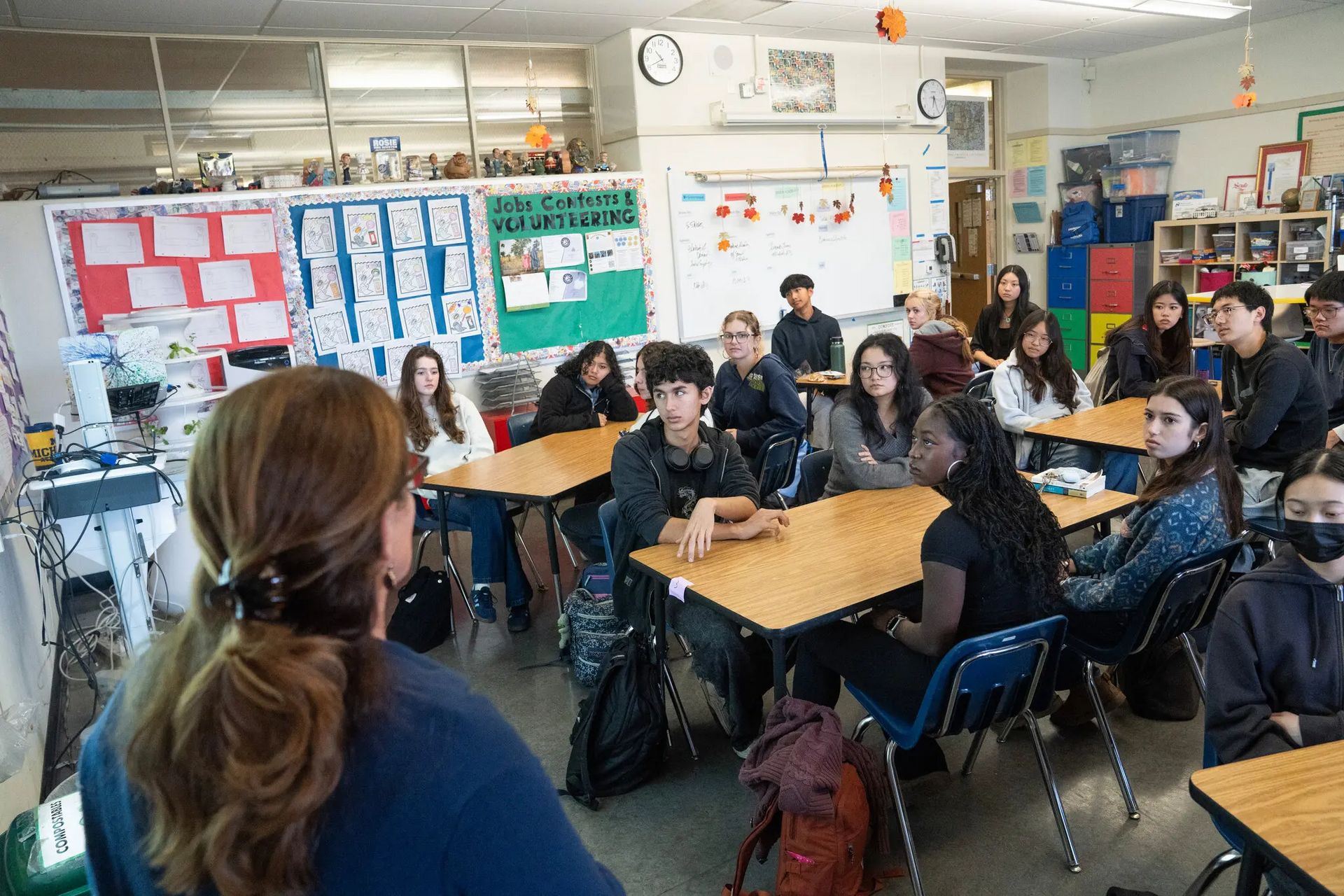
Image: Minh Connors (The New York Times)
In one San Francisco classroom, students are learning how not to be fooled by the internet.
At Abraham Lincoln High School, teacher Valerie Ziegler runs a class built for today’s “screenagers” - teens who’ve grown up scrolling social feeds shaped by algorithms, influencers, and AI content.
It’s a big problem: A News Literacy Project survey of 1,110 US teenagers found that 8 in 10 had encountered conspiracy theories on social media - many said they believed at least one of those narratives.
It’s not just misinformation. Educators increasingly worry about digital nihilism - the idea that everything online is fake. That mindset can shut down curiosity and critical thinking in youngsters.
Here’s how the class works:
Students are taught to check multiple sources, recognize “rage-bait” and propaganda, and question why influencers post what they do.
There’s also lessons on visual clues that can reveal AI content.
Students fact-check TikTok posts, compare real historical accounts to satire, and learn that verification badges and large followings don’t always mean credibility.
Teachers are improvising: there is no nationwide standard for teaching AI literacy. Even in California (one of the most proactive states), official guidelines are yet to come.
That means teachers like Ziegler are building lessons on the fly, using nonprofit resources and university-backed AI literacy projects.
(Source: The New York Times - by Tiffany Hsu)
Human or AI: Who Wins Your Feed?

Image: Kaaviya Sambasivam (left), Simone Mckenzie (right). Which one is AI?
Gigi looks like a typical influencer on your feed: polished makeup, casual eating videos, lifestyle clips. Except she’s an AI.
Her creator, Simone McKenzie, 21, is part of a fast-growing group of digital creators who generate videos with AI tools like Google Veo 3. Critics call this wave of content “AI slop,” but it’s everywhere, and it’s paying.
One Gigi video made $1,600 in just four days. After two months, she had millions of views - earning McKenzie thousands through TikTok. Each video takes minutes, and she sometimes posts three a day.
That pace is impossible for human influencers like Kaaviya Sambasivam, who has 1.3M followers. Her videos can take hours or days per post - planning, setting up lights, filming, and editing.
(Source: BBC - by Sakshi Venkatraman)
Human or AI - who wins your feed? |
Meet Niamh Donnelly, co-founder of Akara
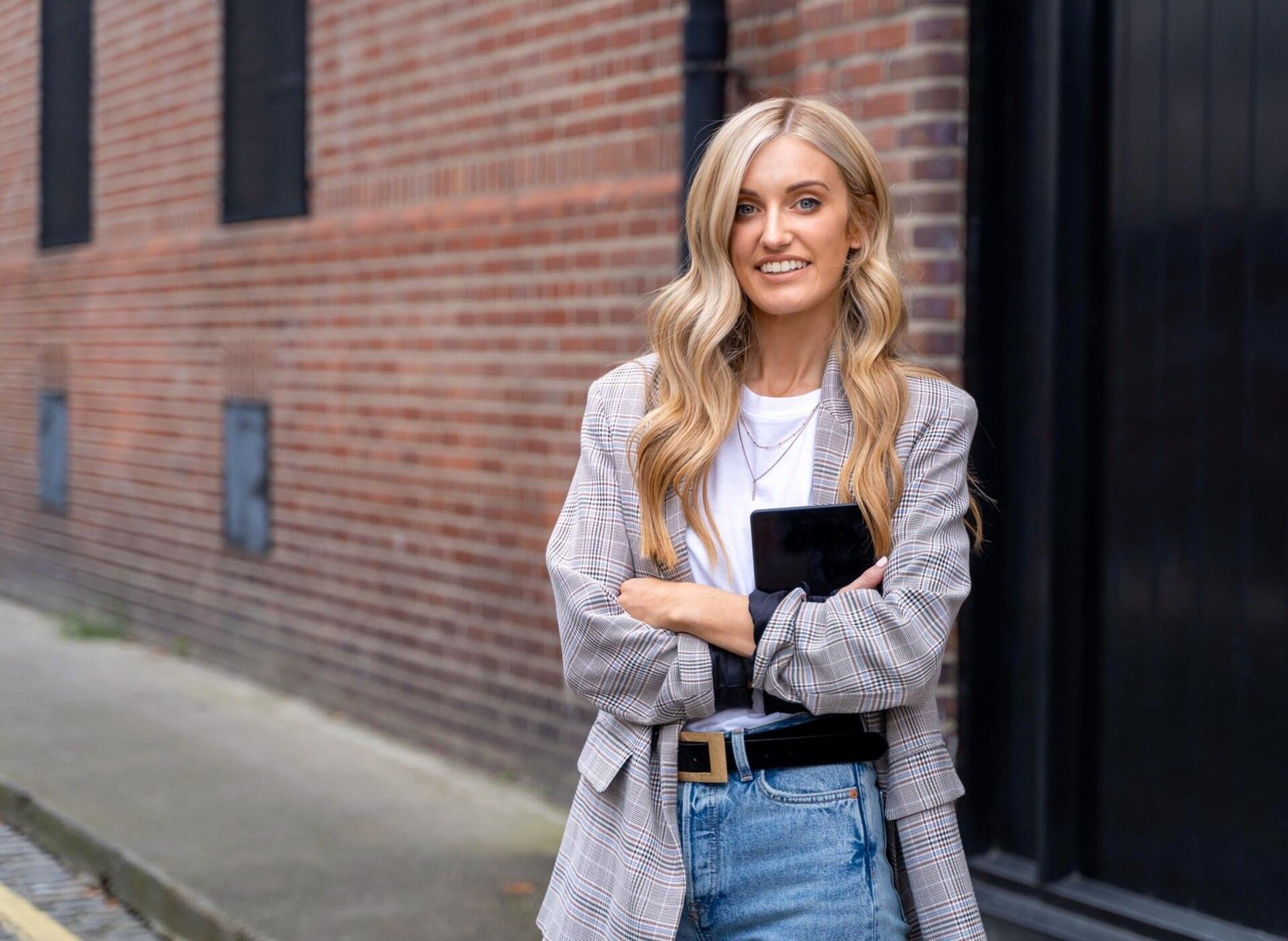
Niamh Donnelly.
Celebrating this week’s Woman in Tech 🥳: Meet Niamh Donnelly, co-founder and Chief Robotics Officer of Akara, the company building robots to tackle one of healthcare’s toughest challenges: understaffed hospitals.
Hospitals lose hours every day to delays, slow room turnover, and infection-control bottlenecks. That can mean cancelled surgeries, longer waitlists, and burned-out staff. Niamh’s work focuses on these invisible problems.
Born in Dublin, Donnelly studied mechanical engineering at Dublin City University, learning how complex systems are designed. Wanting to go beyond hardware, she then earned a master’s in AI at University College Dublin.
That combination led her into robotics research at Trinity College Dublin, where she worked on Stevie, a robot that could support elderly residents in care homes - it was featured on the cover of Time magazine.
In 2022, Donnelly co-founded Akara to take those ideas from the lab into real hospitals. As Chief Robotics Officer, she leads the tech behind tools like Violet, an autonomous robot that uses UV light to disinfect rooms faster and help reduce infections.
Akara has also developed a ceiling-mounted AI sensor that uses thermal data to track what’s happening in operating rooms - helping hospitals spot delays. The sensor was recently named one of Time magazine’s Best Inventions.
AI Around The World
In the UK, the ACCA (the world’s largest accounting body which certifies accountants worldwide) is ending most remote exams after AI tools have made cheating harder to detect. From March, students will need to sit exams in person.
In China, the government is proposing new rules to stop AI chatbots from emotionally influencing users in harmful ways - such as encouraging suicide, gambling, or addiction. If a user mentions these topics, companies would be required to step in with a real human. It’s one of the first efforts worldwide to regulate AI based on emotional impact.
FROM OUR ADVERTISERS
Shoppers are adding to cart for the holidays

Over the next year, Roku predicts that 100% of the streaming audience will see ads. For growth marketers in 2026, CTV will remain an important “safe space” as AI creates widespread disruption in the search and social channels. Plus, easier access to self-serve CTV ad buying tools and targeting options will lead to a surge in locally-targeted streaming campaigns.
Read our guide to find out why growth marketers should make sure CTV is part of their 2026 media mix.
The Future of Shopping? AI + Actual Humans.

AI has changed how consumers shop, but people still drive decisions. Levanta’s research shows affiliate and creator content continues to influence conversions, plus it now shapes the product recommendations AI delivers. Affiliate marketing isn’t being replaced by AI, it’s being amplified.
Until next time!
Ayesha ❤️
ps. Let's be friends on LinkedIn and Instagram, if you like this newsletter, share it with your friends and family here.
I'd love your feedback...Please vote below to help me improve the newsletter. |