- Amplify with Dr. Ayesha Khanna
- Posts
- Your Sleep Exposes Hidden Diseases
Your Sleep Exposes Hidden Diseases
AI news, leaders, business insights and more

Dr. Ayesha Khanna
January 13, 2026 • Reading Time: 3 minutes

In partnership with

Hi everyone, here’s today’s tech news:
Your Sleep Exposes Hidden Diseases
Classroom Lessons, Podcast Style
Meet Marta Bralic Kerns, founder of Pomelo Care
AI Around The World
NEWS YOU CAN’T MISS
Your Sleep Exposes Hidden Diseases

By the time many people learn something is wrong, their body has already been damaged.
Many serious illnesses don’t announce themselves clearly, and are easy to miss in routine checks.
The cost of that delay is enormous: Heart disease affects more than 500M people worldwide and causes 1 in 3 deaths. For cancer, even a month’s delay in treatment can raise the risk of death by 7%.
The problem is how we look for disease: a blood test here, a quick scan there. But the body isn’t static - it’s a system in constant motion. Subtle warning signs often appear in how organs interact over time.
Now, researchers at Stanford Medicine have found a solution: their new AI model can predict a person’s risk of developing more than 100 diseases using data from just one night of sleep.
“SleepFM” was trained on 600,000 hours of sleep recordings from 65,000 people. These overnight tests capture signals like brain waves, heart rhythms, oxygen levels, and eye movement.
The results are big:
The model accurately predicted 130 health conditions - including heart disease, cancer, dementia, Parkinson’s, pregnancy complications, and even risk of death.
For some diseases, it outperformed the tests doctors commonly use today.
It was especially strong at identifying hard-to-detect illnesses like Parkinson’s, dementia, heart disease, and cancer.
It could be a major next step in healthcare: researchers are pushing to turn this into something people could use at home. That means everyday wearables like smartwatches could one day spot serious diseases while you sleep. 😴
(Source: Anna Desmarais for Euronews)
Classroom Lessons, Podcast Style
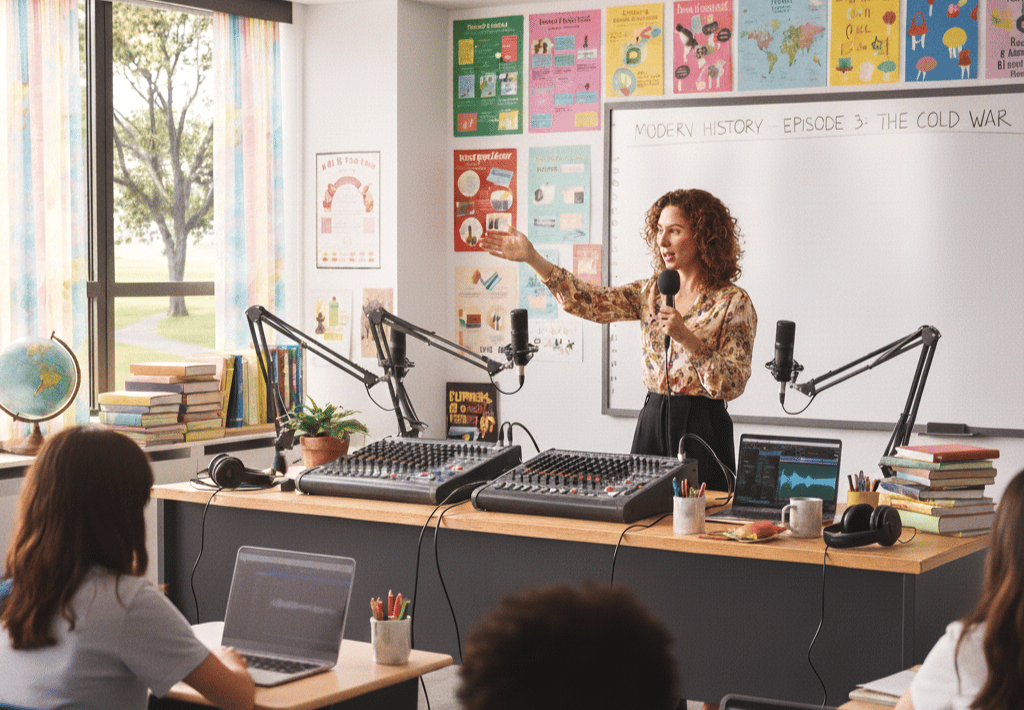
Image: Generated with Nano Banana.
Google is trying a new way to keep students engaged… by turning classroom lessons into podcasts. 🎙️
Inside Google Classroom, teachers can now use AI to generate podcast-style audio lessons. They can choose the grade level, set learning goals, decide how many voices are involved, and even pick formats like interviews or roundtable chats - basically shaping the lesson like a show.
The idea is to slip learning into habits students already have. Research shows 35 million Gen Z listeners in the US tune into podcasts every month, and audio lessons can be replayed anytime - whether someone missed class or just needs to hear it again.
(Source: Lauren Forristal for TechCrunch)
Would you take a course delivered as a podcast? |
Meet Marta Bralic Kerns, founder of Pomelo Care
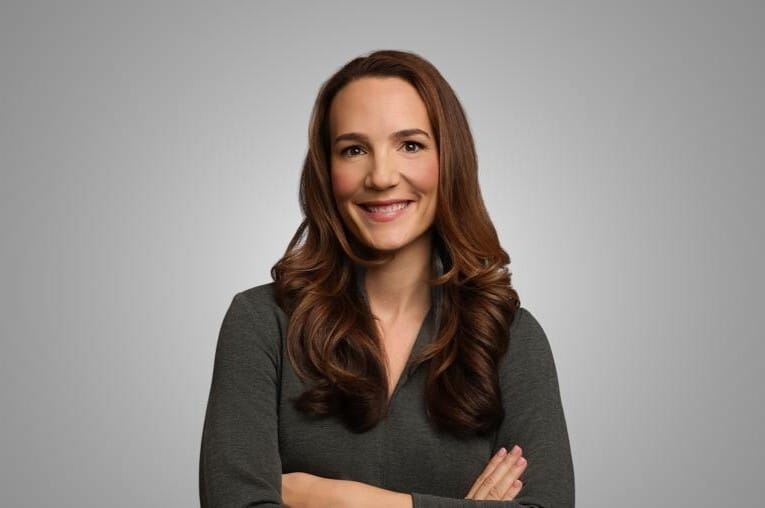
Marta Bralic Kerns.
Celebrating this week’s Woman in Tech 🥳: Meet Marta Bralic Kerns, founder and CEO of Pomelo Care - the company built for the moments when pregnancy feels lonely and overwhelming.
Born in the US, Kerns studied Government and Computer Science at Harvard, then worked in healthcare consulting - looking at costs, policies, and systems. On paper, everything looked organized. In real life, it was very messy.
Later, at Flatiron Health, she saw how powerful care could be when data was used early - catching cancer risks before patients ever felt sick. Tech could change outcomes when done right.
But pregnancy care still felt stuck: Most pregnant people can’t consult a doctor often enough. And once the baby arrives, the support drops off completely - right when exhaustion, fear, and postpartum depression can set in.
Marta built Pomelo Care to sit in that gap: the company gives families 24/7 access to care teams by text, phone, or video - someone to message when something doesn’t feel right, or you just need reassurance.
Behind the scenes, Pomelo watches for early warning signs so problems are caught before they turn into emergencies.
Today, Pomelo supports families across the US, including those on Medicaid (the public insurance program covering nearly half of all births). It’s helped reduce premature births, shorten ICU stays for newborns, and catch postpartum depression earlier. ❤️
AI Around The World
In the US, Meta has signed long-term deals to power its data centers with nuclear energy, lining up more than 6 gigawatts of electricity as its AI systems demand constant power. The company will buy energy from existing nuclear plants and back new, smaller reactors still being built.
In the UAE, Tunisian filmmaker Zoubeir Jlassi won the AI Film Award (the world’s largest prize dedicated to AI-made films) for his short film Lily, receiving $1 million. The award, backed by Google Gemini, recognises films created primarily using generative AI tools.
FROM OUR ADVERTISERS
Speak fuller prompts. Get better answers.
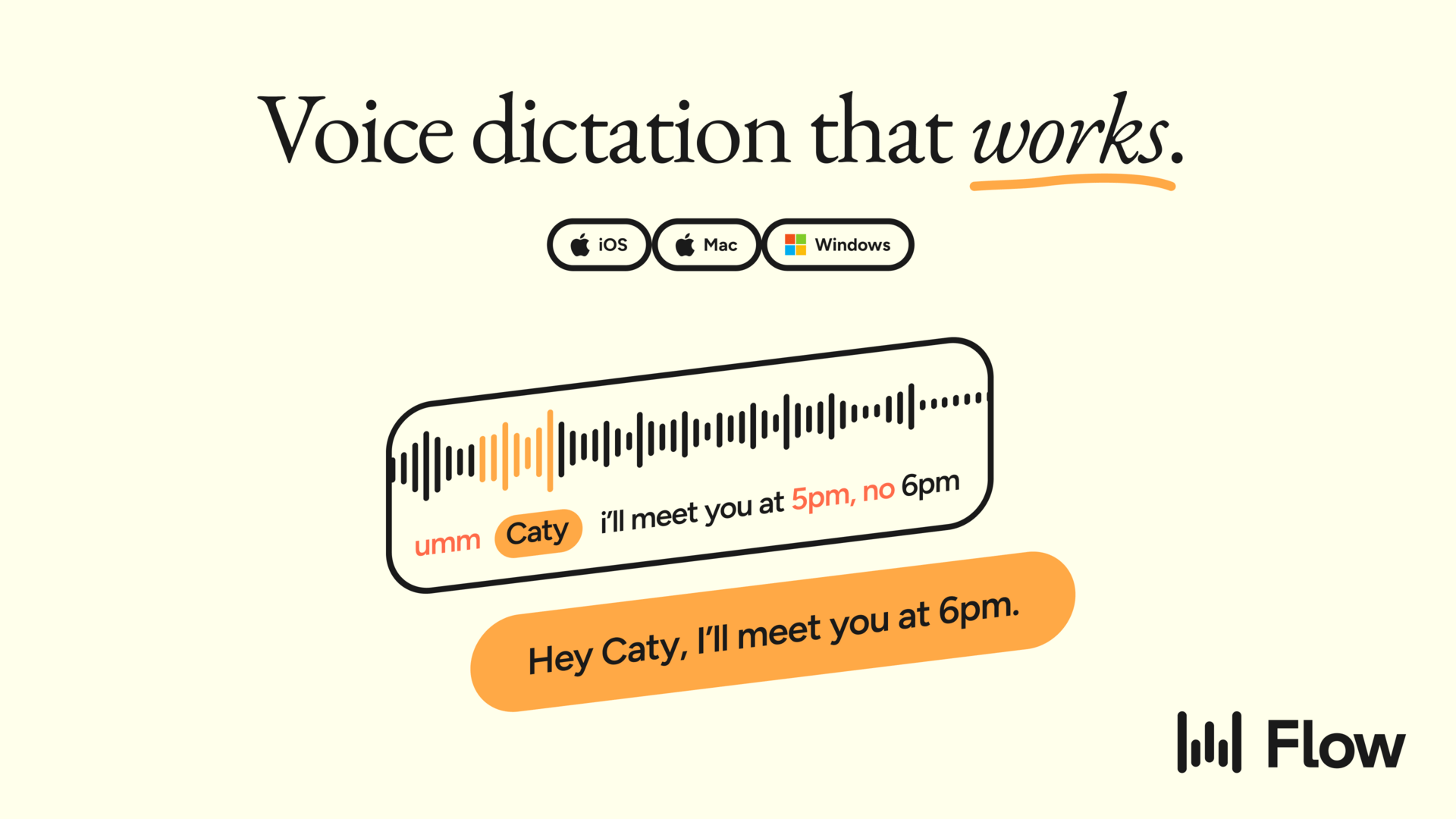
Stop losing nuance when you type prompts. Wispr Flow captures your spoken reasoning, removes filler, and formats it into a clear prompt that keeps examples, constraints, and tone intact. Drop that prompt into your AI tool and get fewer follow-up prompts and cleaner results. Works across your apps on Mac, Windows, and iPhone. Try Wispr Flow for AI to upgrade your inputs and save time.
Leadership Can’t Be Automated

AI can help you move faster, but real leadership still requires human judgment.
The free resource 5 Traits AI Can’t Replace explains the traits leaders must protect in an AI-driven world and why BELAY Executive Assistants are built to support them.
Until next time!
Amplify Team
ps. Let's be friends on LinkedIn and Instagram, if you like this newsletter, share it with your friends and family here.
I'd love your feedback...Please vote below to help me improve the newsletter. |